Palm Court • 2019
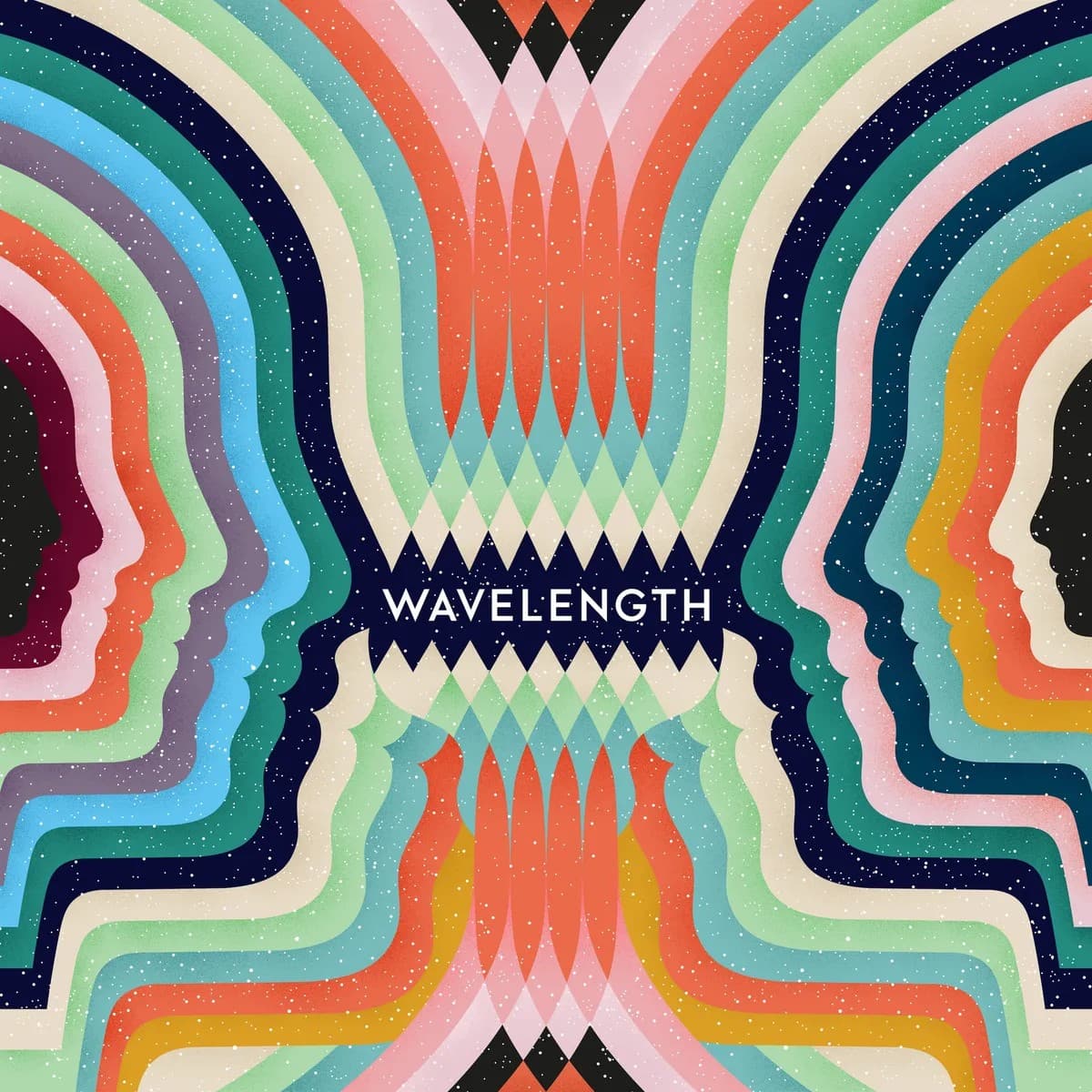
One player — the "psychic" — sees a hidden target on a spectrum between two extremes. The spectrum might be "Hot ↔ Cold" or "Bad Pet ↔ Good Pet" or "Underrated ↔ Overrated". The target sits somewhere on that scale, and the psychic gives a single clue to try and get their team to guess where it is. Then the team argues about it. That's the game. "She said 'Igloo' — that's clearly far to the Cold side." "No, but an igloo is actually warm inside, so maybe it's more centre." The dial gets placed, the answer is revealed, and everyone either cheers or groans. There are no complicated rules to remember, no cards to manage, no turns to wait through. The physical dial component is satisfying — you slide it, lock it in, and then reveal the actual target by lifting a cover. It's tactile in a way that most party games aren't. It's at its best with 6-8 players split into two teams, but it works with any group size. The conversations it generates are genuinely interesting — you end up learning how differently the people around you interpret the same concept. Some groups use it as a warm-up. Others play it for the whole evening.
Answer a few questions to find the perfect board game for your group.
👉 Find the perfect game instead# Best Board Games That Scale to Any Number of Players Sometimes you don't know if 4 people are showing up or 14. Friends drag along plus-o…
# Best Board Games for Work Team Events and Offsites Running a game night for your colleagues is a minefield. Half the people attending are…
# Party Board Games That Work Even With “Non-Gamers” Every group has at least one person who backs away from the table the second a cardboa…
# 10 Great Party Board Games for 6–8 Players You've got seven people coming over. Four of them are board gamers; three of them think board …