TableTop Trends logo
← Back to all guides

How to Host a Game Night for 10+ People

Published 12 December 2025
hostinglarge groupsguides10+ players
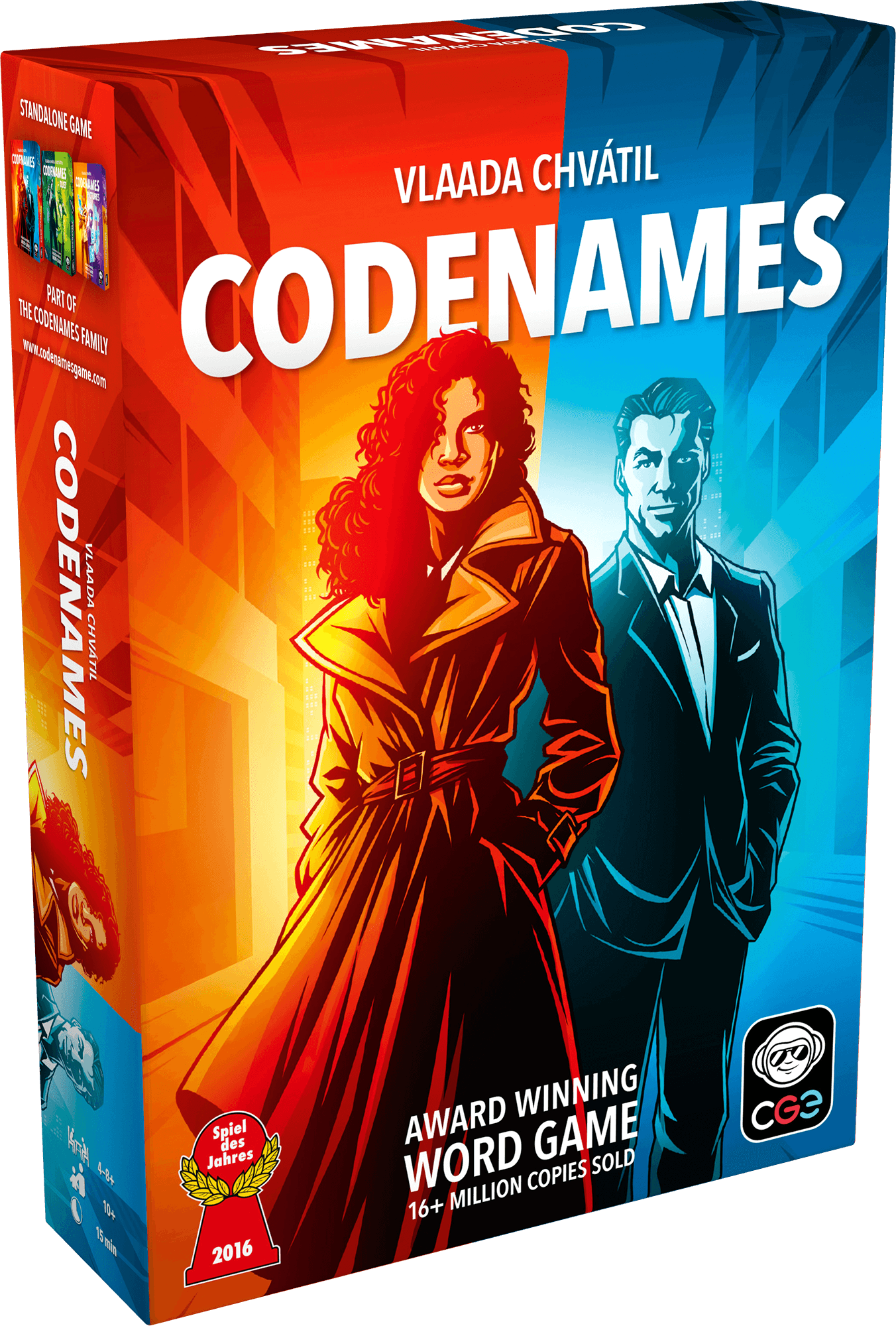
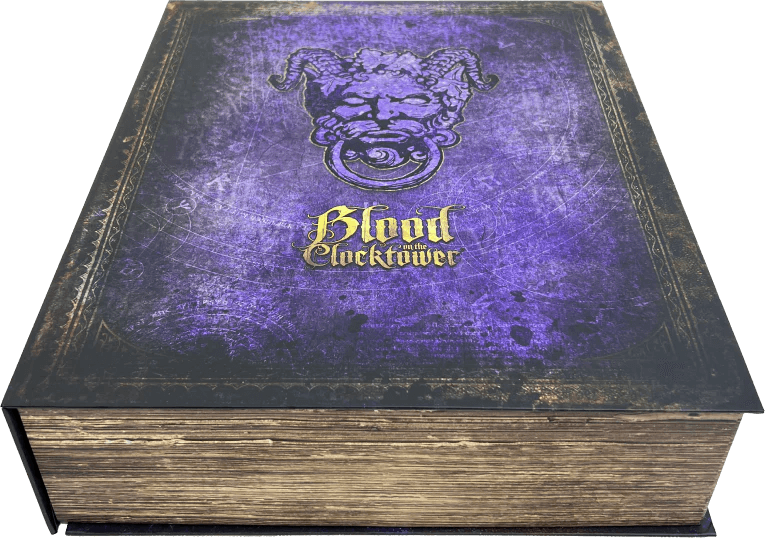
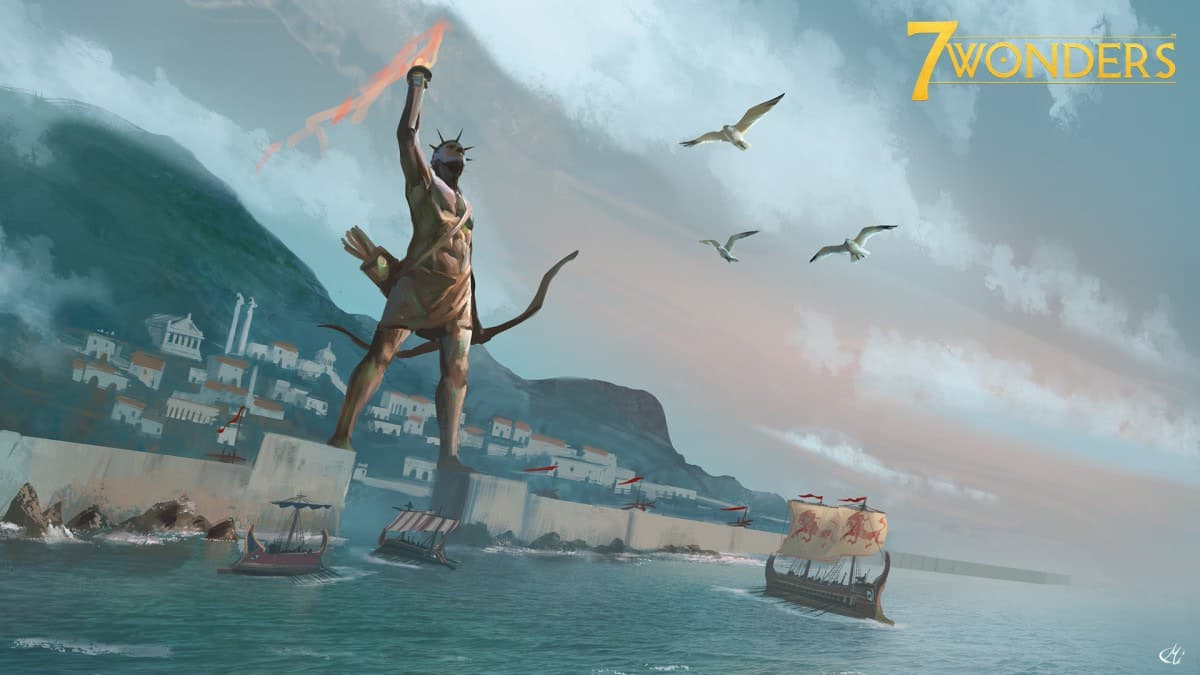
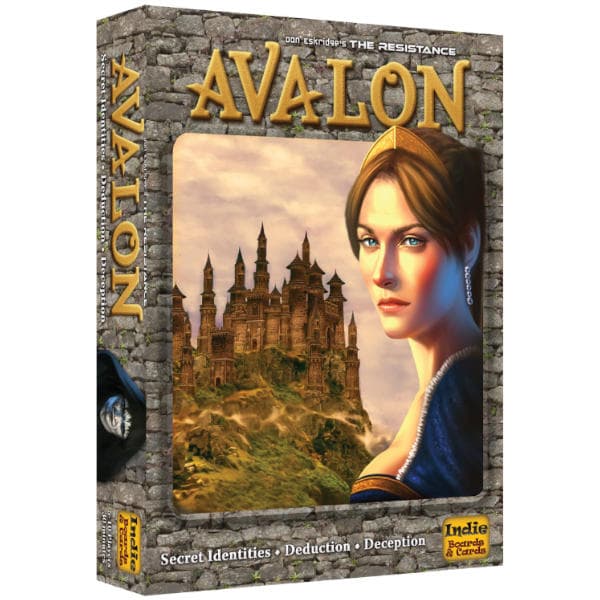
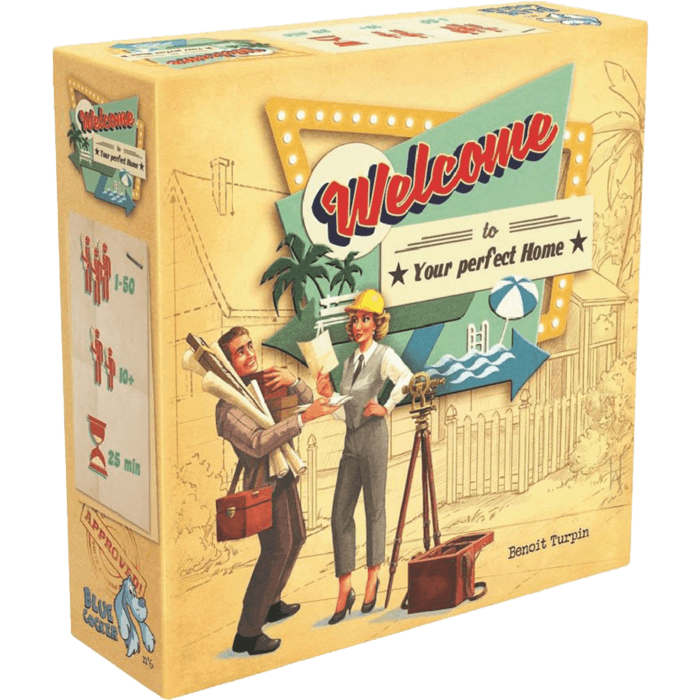
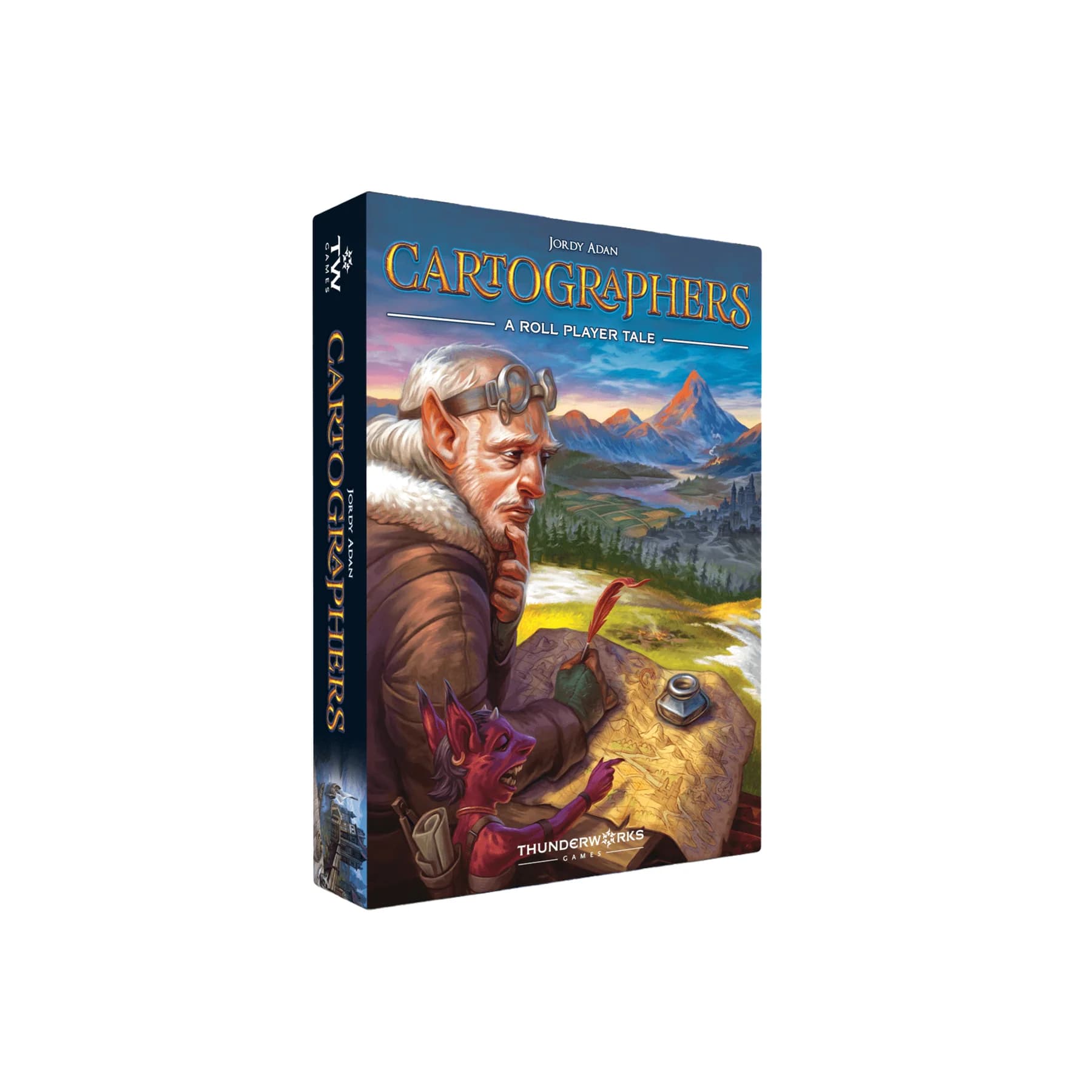
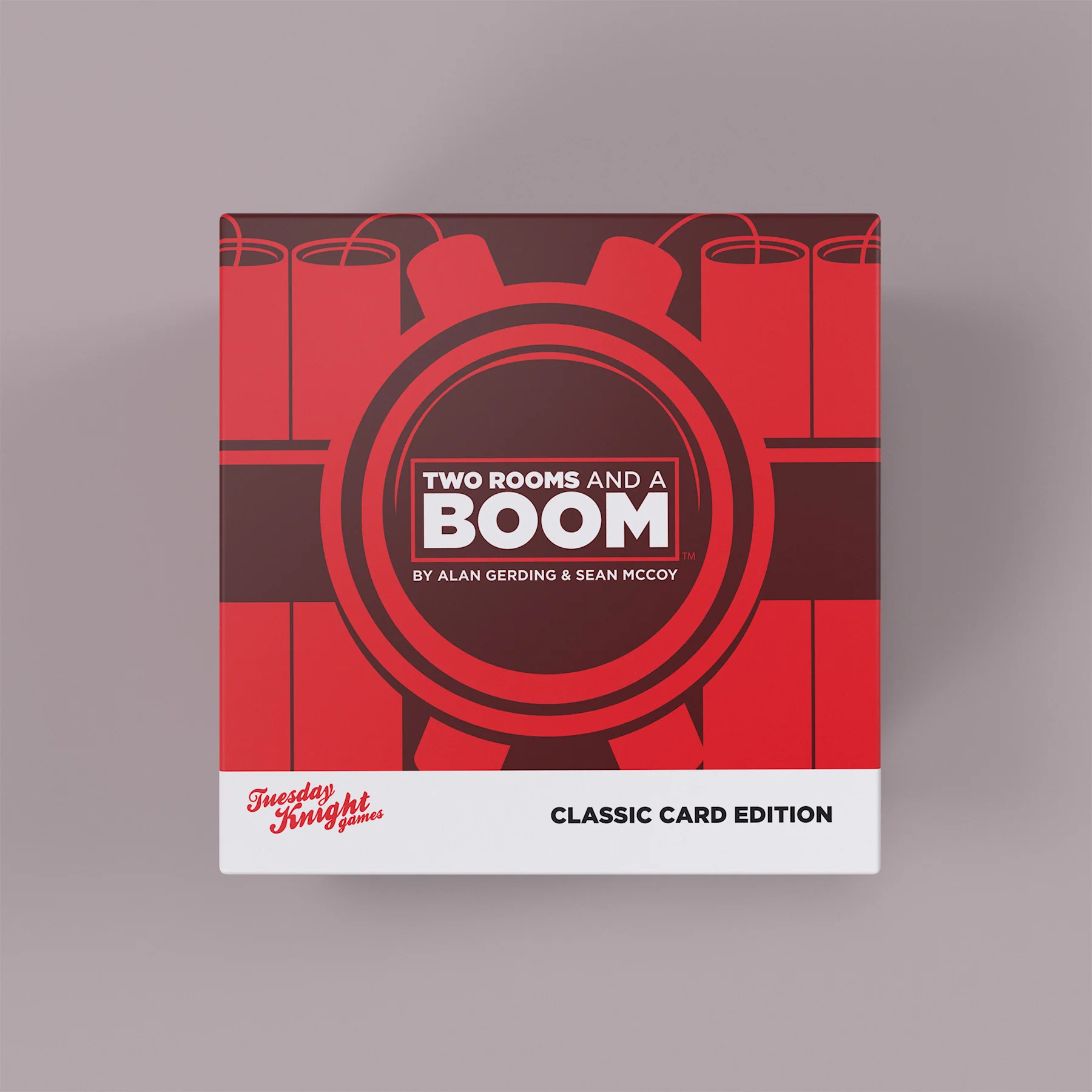
# How to Host a Game Night for 10+ People Hosting 10 or more people is a totally different beast than a standard game night. You can't just put one board on the table, explain the rules, and expect it to work. We've seen nights collapse under the weight of "too many cooks" in the kitchen, someone's checking their phone waiting for their turn, half the table has forgotten the rules by the time it cycles back to them, and the host is desperately trying to keep energy up while the game drags into its third hour. The good news? Large game nights can be incredible when you plan for the chaos instead of fighting it. Here's the comprehensive guide to surviving, and thriving with, double-digit groups. ## 1. The Golden Rule: Split the Group Most "8 player" games drag miserably at 10. The only exceptions are games specifically designed for massive counts, like Two Rooms and a Boom or Blood on the Clocktower. The problem is math. In a typical turn-based game, if each player takes 2 minutes for their turn, that's 18 minutes of waiting between your turns in a 10-player game. People mentally check out after about 5 minutes of downtime. By the time it gets back to you, you've forgotten what your strategy was, what resources you have, and honestly whether you even care anymore. Games that claim to play "2-8 players" are usually balanced for 4-5. At 8+ they become exercises in phone-checking. We've watched Ticket to Ride at 8 players turn into a 3-hour slog. Catan with expansions for 7-8 players? Absolute misery. **For everything else, split the group.** Running two games of 5 is infinitely better than one game of 10. ### How to split smoothly: **Set up two tables in advance.** Don't wait for people to arrive and then scramble. Have two games already out, rules refreshed in your head, components organized. This signals to guests that splitting up is the plan, not a backup option. **Appoint "Table Captains."** Ask one reliable friend beforehand to be the rules teacher for Table B. This can't be a last-minute "hey, can you teach this?" because they'll panic. Give them the rulebook a few days early if needed. Your job is to manage the whole event, not teach both tables simultaneously. **Mix the groups strategically.** Don't let all the hardcore gamers gravitate to one table while the casual players end up confused at the other. If you have 12 people and know that 4 are experienced gamers, put 2 at each table. Balance personality types too, put your loudest friend at the table with quieter people who might get talked over. **Have different weight games at each table.** One table can play something heavier (like 7 Wonders or Sidereal Confluence) while the other plays something lighter (like Wavelength or Codenames). This lets people self-select based on energy level and experience. ## 2. Embrace "Infinite Scaling" Games If you really want everyone playing the same game, "flip-and-write" or "roll-and-write" games are your best friend. In games like Welcome To... or Cartographers, one person reveals a card or rolls dice and everyone acts simultaneously on their own sheet. ### Why these work: **Zero Downtime:** It takes the same amount of time to play with 4 people as it does with 20. Everyone is always engaged because everyone is always playing. There's no "waiting for your turn" because turns don't exist. **Low Stakes:** If someone misses a rule or makes a mistake, they just mess up their own sheet, not the whole game state. Compare this to a game like Pandemic where one person's mistake can cascade and ruin the strategy for 8 other players. **Social:** People can chat while they draw or mark their sheets. The game doesn't demand 100% focus, which is perfect for a social gathering where half the point is catching up with friends. **Easy to teach:** Most roll-and-writes have simple rules that people pick up within one round. You're not spending 20 minutes explaining a rules-heavy Euro game. ### The best infinite-scaling games for 10+ people: - **Welcome To...** - Suburban planning where everyone is building their own neighborhood. Plays identically whether you have 4 or 40 players. Games run about 25 minutes. - **Cartographers** - Fantasy map drawing with light strategy. Everyone draws on their own map simultaneously. Beautiful art, engaging choices, zero downtime. - **Railroad Ink** - Route-building dice game where you're connecting roads and railways. Completely silent play possible, which helps with noise management. - **Rolling Realms** - Roll dice and mark different realm sheets. More variety than most roll-and-writes, keeps people interested across multiple plays. - **That's Pretty Clever** - Slightly more complex with multiple scoring tracks, but still scales perfectly. Great for groups that want a bit more strategic depth. - **Fleet: The Dice Game** - Fishing themed with more decisions than typical roll-and-writes. Good for groups that have played the simpler ones to death. **Pro tip:** Have backup sheets printed. For 10 people playing Welcome To..., print 15 sheets. Someone will mess up their sheet and want to start over, or you'll have someone show up late who wants to jump in. ## 3. Managing the Noise Factor 12 people in one room is loud. Really loud. And it only gets louder as the night goes on and people get more comfortable. **Avoid games that require hearing precise details across the table.** Deception: Murder in Hong Kong technically plays up to 12, but good luck hearing the Forensic Scientist's clues when there are 4 simultaneous conversations happening. Decrypto becomes nearly impossible when both teams are shouting over each other. **Social deduction games work, but expect shouting.** Games like Secret Hitler or The Resistance thrive on heated discussion, so the noise is actually part of the fun. Just warn your neighbors. **Visual games cut through the noise better than verbal ones.** - **Concept** - Everyone can see the icons being placed on the board - **Telestrations** - You're drawing and passing, minimal talking required - **Monikers** - The acting and one-word rounds work fine in chaos - **Wavelength** - The visual dial makes it easy to follow even when it's loud **Create quiet zones.** If you're running multiple tables, put the strategy game in a quieter room and the party game in the space where noise doesn't matter. Your Wingspan table will thank you. **Use a bell or timer.** For party games with rounds, having an audible signal helps cut through the noise when it's time to switch. ## 4. Food & Drink Logistics You don't want 12 people asking "where are the cups?" every 5 minutes, or worse, setting their drinks directly on your game boxes. ### The Drink Station Put all drinks, cups, ice, and napkins on a side table completely away from the games. Make it self-service and obvious. Put a sign if you need to. This does two things: keeps drinks away from expensive cardboard, and prevents traffic jams around the gaming table. Stock more than you think you need. For 10 people over 4 hours, assume 3 drinks per person minimum. ### The Snack Strategy **Pre-game food:** Eat a proper meal before the games start. Not "snacks while we set up" but an actual dinner. 12 plates on a gaming table is a disaster waiting to happen. Either have people eat beforehand, or plan for a 30-minute dinner before gaming begins. **No Greasy Foods Rule:** Be stricter than usual. One person eating Cheetos can ruin cards 10x faster when those orange fingers are shuffling community decks. Pretzels, veggies, popcorn, anything that doesn't leave residue. **Bowls, not bags.** Pour snacks into bowls so people aren't reaching into a shared bag with questionable hand hygiene. Put bowls on the drink station, not on game tables. **Clean-up supplies visible.** Have paper towels and cleaning spray obviously available. When someone inevitably spills something, you want them to clean it up immediately, not wander around looking for supplies while liquid seeps into your game box. ## 5. The "Party Game" Option If you want everyone focused on one thing and don't want to use roll-and-writes, look for party games with instant turns where the whole table stays engaged even when it's not their turn. ### Games where everyone's always involved: **Herd Mentality** - Everyone writes an answer simultaneously and flips at once. Zero downtime, plays up to 20 people, takes about 20 minutes. Perfect for groups where not everyone loves strategy games. **Wavelength** - Works because teams discuss while the other team is thinking. Even when it's not your team's turn, you're engaged in the debate. The physical dial is satisfying and creates natural drama. **Just One** - Cooperative word game where everyone writes clues simultaneously. The tension of watching someone guess keeps everyone engaged even when it's not their turn. **Codenames** - Teams of any size, and people stay engaged because they're trying to figure out connections even when it's the other team's turn. **Two Rooms and a Boom** - Physically splits the group into two rooms, which actually helps with noise management. Players are constantly moving between rooms and negotiating. Plays 6-30 people and the chaos is the point. **Monikers** - Like celebrity charades with escalating difficulty. Teams can be huge, and the acting/guessing rounds are entertaining even when you're watching. ### Avoid anything with sequential individual turns Standard Euro games where each player takes a complete turn before the next player goes, these are death at 10+ players. That means: - Ticket to Ride (even with expansions) - Catan (even with 5-6 player extension) - Carcassonne - Dominion - Most deck-builders You'll be waiting 20 minutes between turns doing nothing. These are great games! Just not for 10 people. ## 6. Timing and Schedule Large game nights need structure or they drift aimlessly until midnight with only one game played. **Start time matters.** Tell people to arrive at 6:30, plan to actually start gaming by 7:00. Build in that 30-minute buffer for stragglers and socializing. Don't wait for everyone, start the first game when you have 8 people. **Plan for 3-4 hours total.** That's usually 2-3 games depending on complexity. More than 4 hours and people start getting tired. Less than 3 and it feels rushed. **Front-load the complex game.** If you're doing one strategy game and one party game, do strategy first when people are fresh and focused. End with the lighter party game when energy is flagging. **Build in transition time.** Factor 10-15 minutes between games for bathroom breaks, snack refills, and setup. Don't try to cram games back-to-back. **Have an end time.** "We're gaming until 10:30" is better than open-ended. People plan around it, and it prevents the awkward "is this night ever ending?" feeling. ## 7. Handling Different Experience Levels With 10+ people, you're almost guaranteed to have both hardcore gamers and people who "haven't played board games since Monopoly." **Pair experienced with new players.** In team games, put newbies with veterans. In simultaneous play games, seat newcomers next to someone who can answer quick questions. **Start with something accessible.** Don't open the night with your heaviest game. Start with something that teaches quickly and plays fast, even if it's not your favorite. This builds confidence for newer players. **Explain the "why" not just the "what."** Instead of "you draw 5 cards and play one," say "you're trying to collect sets, so you draw 5 cards and play one toward your sets." New players grasp games faster when they understand the goal. **Do a practice round.** For anything more complex than a party game, play one round with all cards visible so people can ask questions without consequences. **Don't let veterans optimize the fun out of the room.** If your experienced players are aggressively min-maxing while newbies are still figuring out basic rules, that kills the energy. Set the tone that it's a social night, not a tournament. ## 8. Common Mistakes to Avoid **Planning only one game.** What if it flops? What if people hate it? Always have 2-3 backup options ready to go. Not just owned, but actually ready, rules refreshed, components organized. **Not preparing people for splits.** If guests expect "game night" and show up to find you're running two separate games, some people feel disappointed. Mention in your invite that you'll likely split into groups to keep things moving. **Choosing games you don't know well.** Teaching a game you learned that afternoon to 10 people is a nightmare. Stick to games you've played at least once, ideally several times. **Letting the night drift.** Without someone steering (that's you, the host), game nights with 10+ people turn into 2 hours of debate about what to play. Be ready to make executive decisions. **Trying to accommodate everyone's preferences.** With 10 people you will never find a game everyone loves. Pick something good that works at high player counts and commit. **Underestimating setup and teardown time.** With multiple games, you're looking at 20+ minutes of setup and cleanup. Factor this into your schedule. **Forgetting about seating.** 10 people need comfortable seats with table access. Folding chairs crammed around a coffee table doesn't work for 3 hours. Make sure everyone can reach the table and sit comfortably. ## Final Thoughts Large game nights require more planning than small ones, but they can be some of the most memorable gaming experiences. The energy of a big group, the chaos of multiple games running simultaneously, the stories that come from 12 people trying to navigate secret roles or build competing civilizations, it's worth the extra effort. The key is accepting that you're running an event, not just playing games. That means: - Planning ahead (games chosen, tables set, food handled) - Being decisive (no 30-minute debates about what to play) - Staying flexible (your perfect plan will change when someone arrives late or a game flops) - Prioritizing people over games (the social experience matters more than playing the "perfect" game) Start with the easiest approach, split into two tables of 5-6, run simultaneous games, keep it simple. As you get more comfortable hosting large groups, you can experiment with the all-in-one-room party games or ambitious multi-table tournaments. And remember: if a night goes sideways, that's often when the best stories happen. The game that completely failed, the rules argument that got too heated, the secret role reveal that made everyone scream, those become the legendary game nights people talk about for years. Now go forth and host some chaos. --- ## Quick Reference: Our Top Games for 10+ People **Everyone plays together (simultaneous):** - Welcome To... - Cartographers - Railroad Ink **Everyone plays together (party games):** - Wavelength - Just One - Herd Mentality - Two Rooms and a Boom **Best for splitting into two tables:** - 7 Wonders (3-7 players) - Codenames (4-8 per table) - Captain Sonar (4-8 players) - Sidereal Confluence (4-9 players) **For groups that want something strategic:** - Sidereal Confluence (4-9, everyone plays together) - 7 Wonders (3-7, minimal downtime) - Captain Sonar (6-8, real-time chaos)

🎲 Games in this guide